 Save
Save A friend once called me in a panic from her tiny apartment kitchen, saying she had exactly tuna, tomatoes, and ten minutes before her partner got home hungry. I talked her through this soup over the phone, and twenty minutes later she texted back that it tasted like something from a proper Italian osteria. That moment stuck with me—how something so simple could feel so elegant, and how the smell of garlic hitting hot oil could transform an ordinary weeknight into something worth remembering.
I made this on a rainy Tuesday when my usual energy for cooking had vanished, but my stomach was definitely complaining. The kitchen filled with that warm Mediterranean smell—onions turning sweet, garlic blooming in olive oil—and by the time I poured the broth in, I felt like myself again. Something about the act of chopping and stirring, even quickly, reminded me that feeding myself well doesn't have to be complicated.
Ingredients
- Tuna in olive oil (1 can, 5 oz): Buy the good stuff if you can find it—the quality of your tuna matters more here than in most recipes since it's not hiding under anything heavy.
- Onion (1 medium): This is your flavor foundation, so don't rush the chopping; take a minute to make it fine and even.
- Garlic (2 cloves): Mince it small because it needs to distribute through the broth and remind you why garlic exists.
- Carrot and celery (1 each, diced): These aren't just filler—they add natural sweetness and body that balances the acidity of the tomatoes.
- Diced tomatoes (1 can, 14 oz): Canned tomatoes are actually better here than fresh ones would be; they're picked at peak ripeness and give you consistent flavor year-round.
- Vegetable broth (2 cups): Taste your broth before you use it because some brands are quite salty, and you'll want room to season at the end.
- Tomato paste (1 tbsp): This concentrated umami bomb transforms the soup from pleasant to genuinely craveable.
- Dried oregano and basil (1 tsp each): These dried herbs work beautifully here; the heat of the broth brings them to life in a way that feels fresher than you'd expect.
- Red pepper flakes (1/4 tsp optional): Only add this if you like heat, but a whisper of spice makes everything else taste brighter.
- Olive oil (2 tbsp): Use an oil you actually like tasting because it's one of the main flavors here, not just cooking medium.
Tired of Takeout? 🥡
Get 10 meals you can make faster than delivery arrives. Seriously.
One email. No spam. Unsubscribe anytime.
Instructions
- Get your pan warm and build your base:
- Pour the olive oil into your saucepan and let it heat until you can smell it lightly toasting—don't let it smoke. Add your onion, carrot, and celery together, and listen for that gentle sizzle as they hit the hot oil. Stir them around for about five minutes, until the onion turns translucent and everything softens just a bit.
- Wake up the garlic:
- Add your minced garlic and let it cook for just one minute—you want it fragrant and toasted at the edges, not bitter and brown. You'll know it's right when the whole kitchen smells like an Italian kitchen should smell.
- Deepen the flavor with tomato paste:
- Stir in your tomato paste and cook it for a full minute, stirring constantly so it browns slightly and loses that sharp raw flavor. This step is small but important; it's the difference between soup and really good soup.
- Build the body of your soup:
- Pour in your canned tomatoes and all their liquid, then add your vegetable broth. Scatter in the oregano, basil, and red pepper flakes if you're using them, and stir everything together so nothing gets stuck on the bottom.
- Let it simmer and soften:
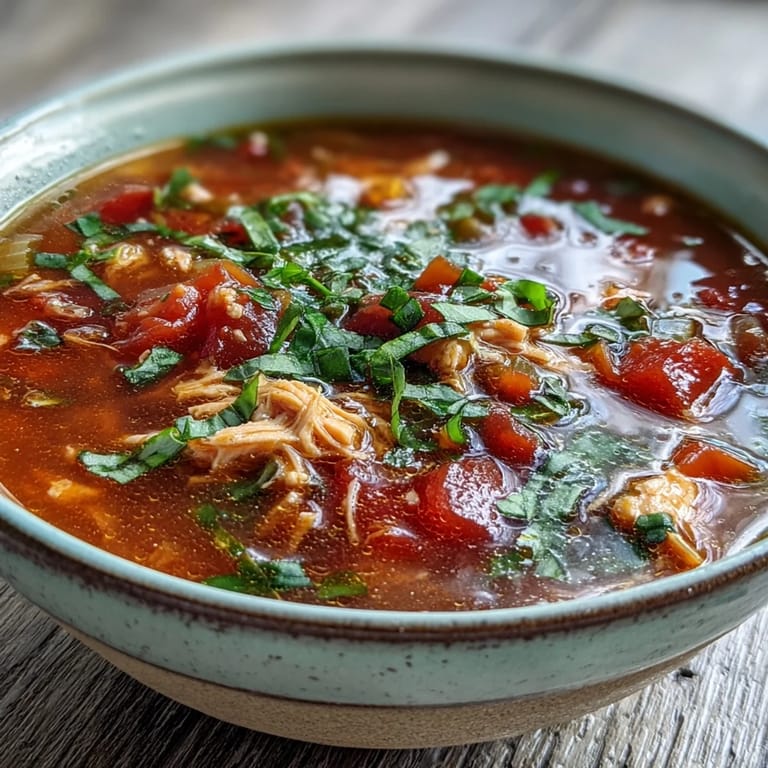
- Bring the whole thing to a gentle boil, then turn the heat down so it's just barely bubbling. Let it go for eight to ten minutes—the vegetables will get tender, and the flavors will start talking to each other properly.
- Bring in the tuna gently:
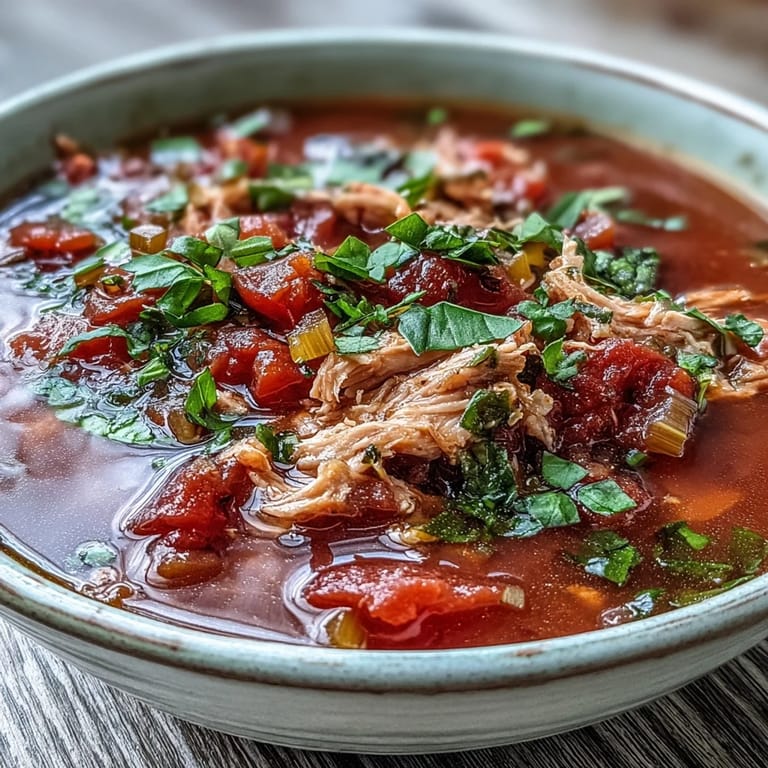
- Flake your drained tuna with a fork so it's in nice small pieces, then stir it into the simmering soup. Let it heat through for two or three minutes—tuna doesn't need cooking, just warming, so don't overdo this part.
- Taste and adjust:
- This is the moment to taste and decide what your soup needs—a pinch of salt, some black pepper, maybe a squeeze of something acid if you have lemon or vinegar. Trust your instincts here.
 Save
Save  Save
Save There's a specific moment in this recipe, right after you've added the broth and the kitchen fills with steam, where everything feels possible. I've had people tell me this soup reminds them of traveling somewhere, or eating at their grandmother's table, even though most of them have never been to Italy. Food doesn't have to be complicated to carry meaning.
Why Canned Tuna Deserves Better
We've been trained to think of canned tuna as an emergency ingredient, something to apologize for on a weeknight. But in a soup like this, it's actually perfect—the oil it's packed in becomes part of your cooking fat, and the gentle flaking means it distributes through the broth so you get it in every spoonful. There's no shame in reaching for your pantry and making something this good.
Small Changes That Matter
The recipe as written is complete and delicious, but I've learned that small additions can push it in different directions depending on your mood. A squeeze of fresh lemon juice before serving brightens everything up, while a spoonful of capers adds a salty, briny note that makes you feel fancy. Some people stir in small pasta shapes to make it more substantial, and I've even added a handful of spinach right at the end, which wilts into the warm broth and adds something green and alive.
Making It Your Own
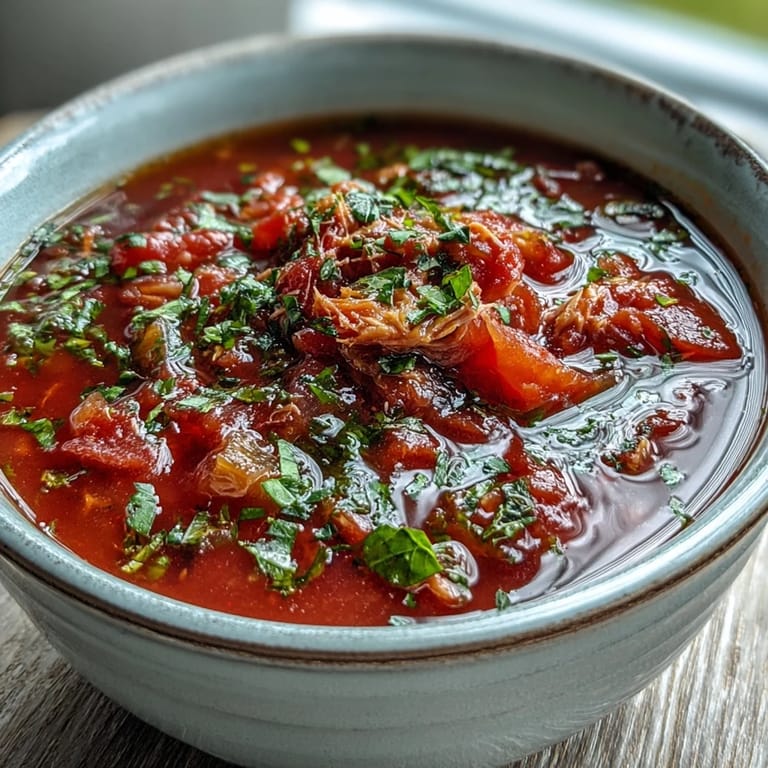
The beauty of a soup this straightforward is that it invites you to pay attention and make choices. You could use chicken broth instead of vegetable broth, or add a splash of white wine before the tomatoes if you have it open. Fresh herbs scattered on top—parsley, basil, even a few torn mint leaves—change the whole feeling of the bowl, turning something quick into something that feels intentional.
- Serve it with crusty bread for soaking up every last drop, or skip the bread and add small pasta shapes directly to the pot.
- Make it ahead and reheat gently; soups like this actually taste better the next day when all the flavors have settled in together.
- Double the batch because this freezes beautifully, and future you will be grateful for twenty-five minutes of easy dinner waiting in the freezer.
 Save
Save 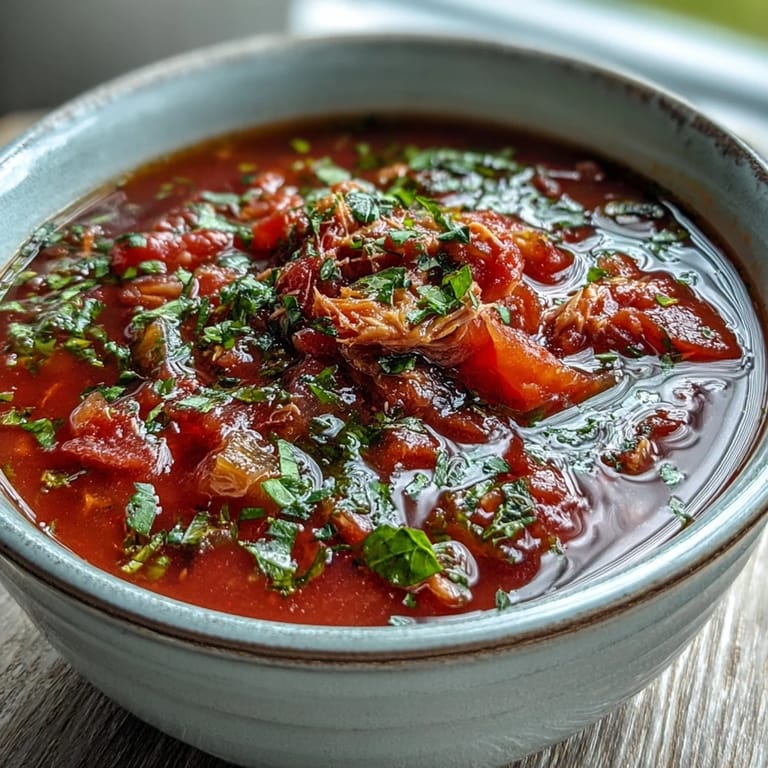 Save
Save This is the kind of soup that reminds you why people cook in the first place—something that takes almost no time, costs very little, and makes you feel genuinely nourished. Make it whenever you need proof that simple food, made with attention, is enough.
Recipe FAQs
- → Can I use fresh tuna instead of canned?
Yes, you can use fresh tuna. Sear a 5 oz piece until cooked through, then flake it and add during the final minutes of cooking for best texture and flavor.
- → How can I make this soup heartier?
Add small pasta shapes like ditalini or orzo during the simmering stage, cooking until tender. You can also include white beans or chickpeas for extra protein and substance.
- → What can I substitute for vegetable broth?
Chicken broth or fish stock work wonderfully as alternatives. For a lighter option, use water with an extra tablespoon of tomato paste for depth of flavor.
- → How long can I store leftovers?
Store in an airtight container in the refrigerator for up to 3 days. Reheat gently on the stovetop, adding a splash of broth if needed to restore consistency.
- → Can I freeze this soup?
While you can freeze it for up to 2 months, the texture of canned tuna may become slightly grainy. For best results, enjoy fresh or refrigerated within a few days.
- → What garnishes work best with this soup?
Fresh parsley or basil add brightness, while a drizzle of quality olive oil and grated Parmesan cheese enhance richness. Lemon zest provides a lovely citrus note.