 Save
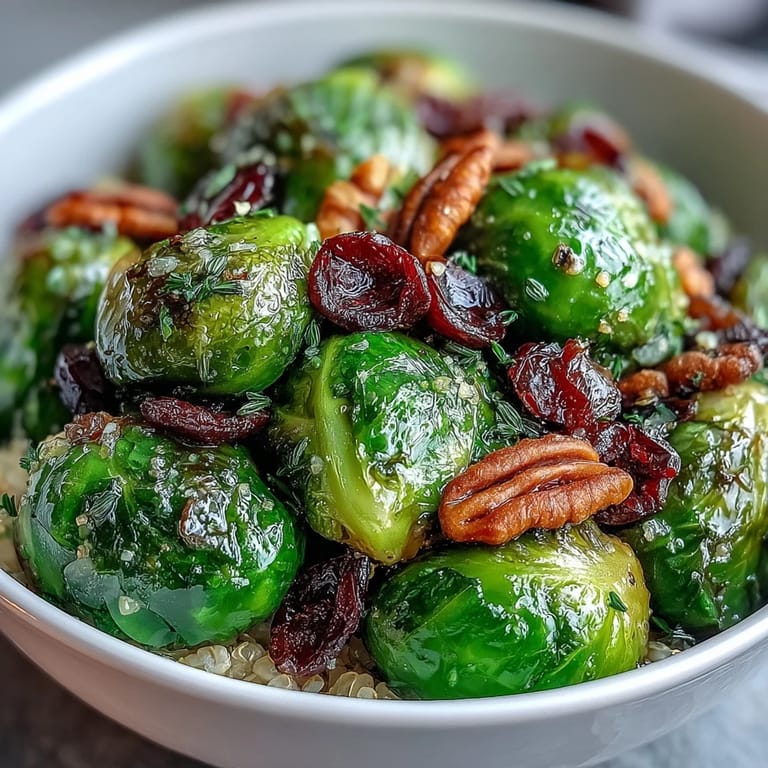
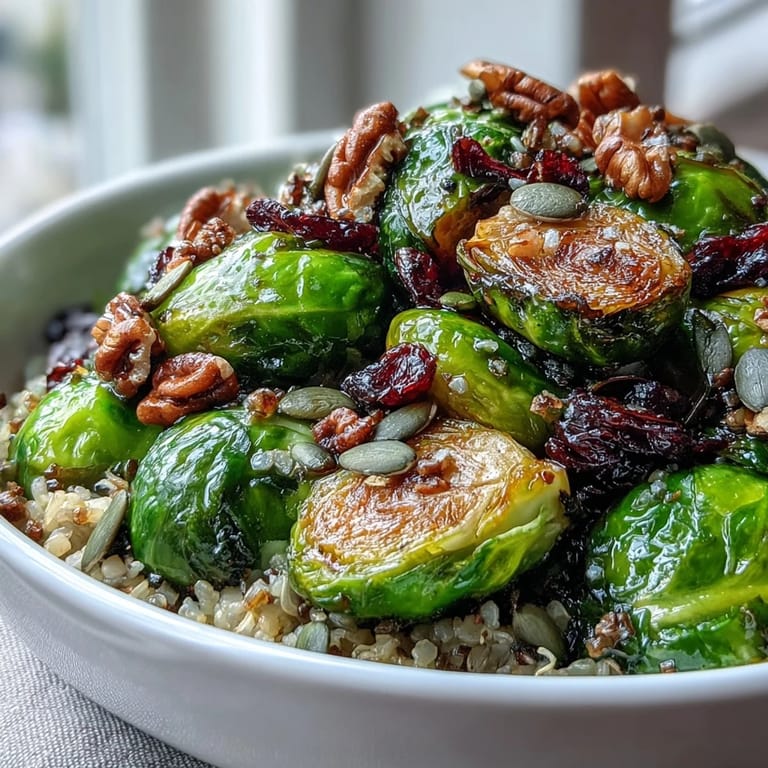
Save There's something about the smell of Brussels sprouts hitting the oven rack that makes me pause and actually feel present in the kitchen. I discovered this bowl on a gray November afternoon when I had nothing but good intentions and a half-empty crisper drawer. What started as a simple way to use what I had on hand became the kind of lunch I now crave when everything feels a little off-balance in life. The caramelized edges, the nutty grain, the bright vinegar singing through it all—it clicked into place like a conversation that finally makes sense.
I made this for my sister who'd just moved into her first apartment, and she stood at my kitchen counter eating it straight from the bowl while we talked about nothing important. She's not someone who gets excited about food, but something about the way the textures worked together—the soft grain, the crispy vegetables, that sharp-sweet dressing—shifted something. She asked for the recipe before she left, and I knew I'd created something real.
Ingredients
- Brussels sprouts (1 lb, trimmed and halved): These are the stars, and the halving matters because you need that flat surface to caramelize and turn almost candy-like. I learned the hard way that larger sprouts roast unevenly, so look for medium ones when you can.
- Red onion (1 medium, thinly sliced): The thin slicing is key because it gets sweeter and more delicate as it roasts, threading through the whole bowl with subtle sweetness.
- Olive oil (2 tbsp for roasting): Don't skimp here—the oil is what creates those caramelized edges you'll find yourself picking off the pan.
- Salt and black pepper: A half teaspoon and quarter teaspoon respectively for the vegetables; they're modest amounts that let the roasted flavors speak.
- Quinoa or brown rice (1 cup uncooked): Either works beautifully, though quinoa adds a subtle earthiness while rice feels more grounding. Choose based on your mood.
- Water or vegetable broth (2 cups): Broth will make everything taste slightly richer if you have time to keep some on hand.
- Balsamic vinegar (1/4 cup): The quality matters more than you'd think here—a good vinegar makes the dressing taste intentional rather than sharp.
- Extra-virgin olive oil (2 tbsp for dressing): This is where premium matters because you're not cooking it down.
- Maple syrup or honey (1 tbsp): Just enough to balance the vinegar's punch without making anything taste sweet.
- Dijon mustard (1 tsp): It's the secret that makes the dressing cling and feel substantial instead of thin.
- Walnuts or pecans (1/4 cup, toasted): The crunch saves the whole texture profile, so don't skip them even if nuts aren't your usual thing.
- Dried cranberries (2 tbsp): They add bursts of tartness that echo the vinegar in unexpected ways.
- Pumpkin seeds (1 tbsp): Tiny but mighty for adding earthiness and a bit of protein boost.
Tired of Takeout? 🥡
Get 10 meals you can make faster than delivery arrives. Seriously.
One email. No spam. Unsubscribe anytime.
Instructions
- Heat your oven and prep the pan:
- Set the oven to 425°F and line a baking sheet with parchment paper so cleanup becomes a non-issue later. This temperature is hot enough to create those caramelized edges you're after without burning anything.
- Toss the vegetables with oil and seasoning:
- In a large bowl, coat your halved Brussels sprouts and sliced red onion with olive oil, salt, and pepper until everything glistens. Spread them cut-side down on the baking sheet because that flat surface is where the magic of caramelization happens.
- Roast until golden and tender:
- Slide the pan into the oven for 25 to 30 minutes, giving everything a gentle stir about halfway through. You'll know it's done when the sprouts have browned edges and the onion looks almost translucent.
- Cook your grain while vegetables roast:
- Rinse your quinoa or rice thoroughly under cold water to remove any bitterness. In a medium saucepan, combine the grain with water or broth, bring it to a boil, then reduce heat, cover, and let it simmer gently for 15 to 20 minutes until the liquid disappears and everything is tender.
- Whisk together the dressing:
- In a small bowl, combine the balsamic vinegar, extra-virgin olive oil, maple syrup or honey, Dijon mustard, salt, and pepper. Whisk it all together until it looks cohesive and tastes bright on your tongue—taste it before you commit, because this is where your intuition matters.
- Build your bowls:
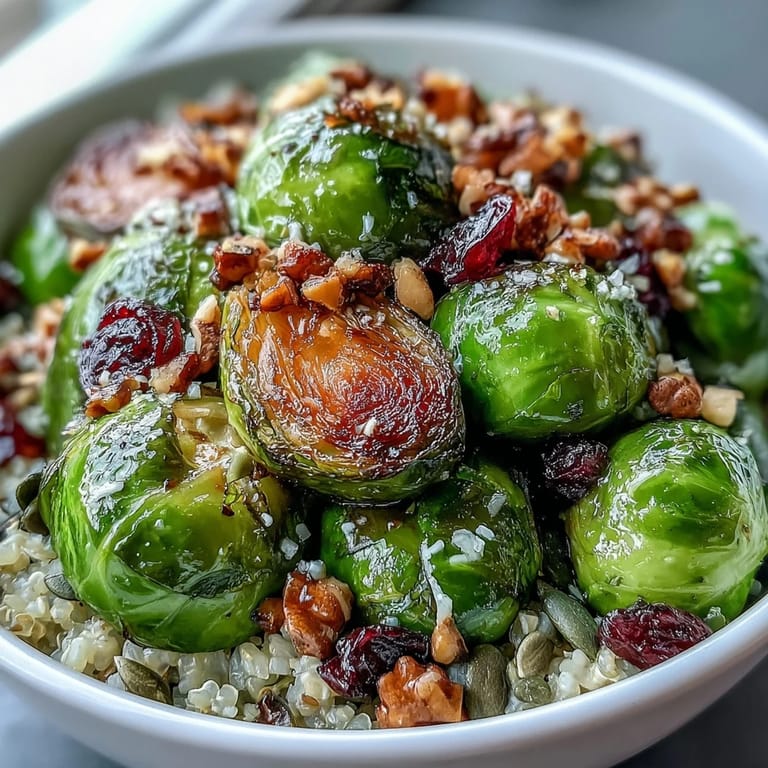
- Divide the cooked grain among four bowls, then top each with a generous handful of the roasted vegetables. Drizzle the dressing over everything so it pools slightly in the grain.
- Finish with garnish:
- Sprinkle toasted nuts, dried cranberries, and pumpkin seeds over the top if using them. These additions turn something nourishing into something that feels intentional and special.
 Save
Save This bowl has become my answer to the question of what to make when I want to feel capable and take care of myself at the same time. There's something grounding about choosing whole foods and watching them transform into something that nourishes both body and the part of you that needs to believe you're doing something right.
Why This Works as a Meal
A good bowl isn't just ingredients stacked together—it's a composition where texture and flavor create conversation. The soft, nutty grain gives you something substantial to anchor around, while the crispy vegetables add drama. The dressing brings everything into focus, making individual components feel like a unified thought rather than a collection of parts.
Making It Your Own
The beauty of this formula is how flexibly it adapts without losing its soul. Some nights I add roasted chickpeas for protein, other times I layer in some crumbled feta because I'm in a mood for richness. I've substituted farro for quinoa, added roasted sweet potato alongside the Brussels sprouts, and once threw in some toasted sunflower seeds when I was out of walnuts and it was perfect anyway. The core stays the same—roasted vegetables, grain, bright dressing—but the canvas expands based on what's in your kitchen or what you're craving.
Timing and Make-Ahead Strategy
The whole process takes 45 minutes, but you can actually compress that time significantly by cooking your grain while the vegetables roast, which means they finish around the same time. Even better, each component holds beautifully on its own, so you can roast vegetables one afternoon, cook grain another time, and assemble bowls whenever hunger strikes. I've found the dressing actually improves after sitting for a few hours, as the flavors settle and marry together.
- Make the dressing up to three days ahead and keep it in the fridge so you have one less thing to think about when hunger hits.
- Roasted vegetables stay crispy for about two days if stored properly in an airtight container, though they're best within the first day.
- Grain can be cooked days in advance and reheated gently or served at room temperature without losing its grounding quality.
 Save
Save This bowl became my quiet answer to wanting something that tastes like care tastes. It's the kind of meal that sits well with you, both in your stomach and in your heart.
Recipe FAQs
- → Can I make this bowl ahead of time?
Absolutely. The roasted vegetables and cooked grains store well in the refrigerator for up to 4 days. Keep the dressing separate and add it just before serving to maintain the best texture and flavor.
- → What other grains work well in this bowl?
Farro, bulgur, couscous, or barley all make excellent substitutes for quinoa or brown rice. Each grain brings a slightly different texture and cooking time, so adjust accordingly based on your preference.
- → How do I get the Brussels sprouts properly caramelized?
Spread the halved sprouts in a single layer on the baking sheet without overcrowding. Roast at 425°F and stir once halfway through cooking. The high heat and proper spacing ensure even browning and caramelization.
- → Can I add protein to this bowl?
Yes, chickpeas, grilled tofu, roasted chicken, or even feta cheese make excellent protein additions. Add them during the last 10 minutes of roasting if cooking, or simply top your bowl before serving.
- → Is the balsamic dressing customizable?
Certainly. Adjust the maple syrup for sweetness, add a clove of minced garlic for depth, or incorporate fresh herbs like thyme or rosemary. The dressing also works beautifully as a marinade for roasted vegetables.
- → What vegetables can I add for more variety?
Roasted sweet potatoes, carrots, or butternut squash complement the Brussels sprouts beautifully. You can also add fresh elements like arugula, spinach, or sliced radishes when serving.