 Save
Save My neighbor's garden had gone wild that spring, dandelions everywhere, and she mentioned offhandedly that the petals were edible. Something about that detail stuck with me—a bright, floral note hidden in something most people pull from the ground without a second thought. I'd been craving scones that morning, the kind that feel fancy but aren't fussy, and suddenly I knew exactly what to do with those golden flowers. The kitchen smelled like honey and butter within minutes, and I realized this wasn't just breakfast anymore; it was spring itself on a plate.
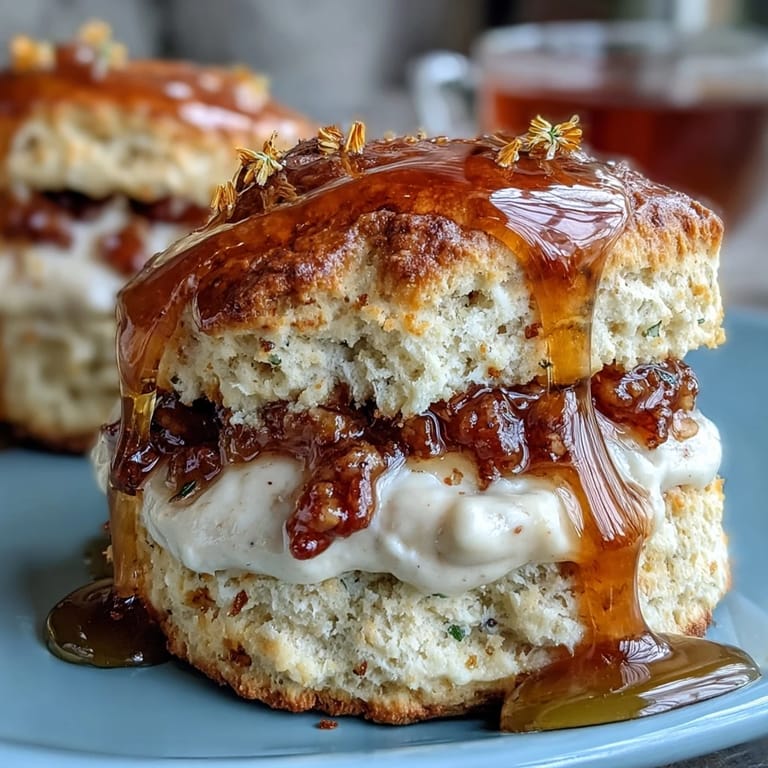
I made these for a small group of friends on an unexpectedly warm April afternoon, setting everything on a garden table with proper napkins and tea. One person bit into a scone and stopped mid-conversation, which is the highest compliment a baker can receive. The dandelion petals looked almost stained-glass against the golden crumb, and someone asked if I'd added edible flowers from some fancy shop—I loved saying they came from my neighbor's yard.
Ingredients
- All-purpose flour: Two cups gives you the right structure without being too heavy; it's the foundation that lets the delicate petals shine.
- Granulated sugar: A quarter cup sweetens without overwhelming the subtle floral notes, and it encourages that beautiful golden crust.
- Baking powder: One tablespoon is crucial for lift; don't skip checking that yours is fresh, or your scones won't puff properly.
- Fine sea salt: Half a teaspoon seems tiny, but it's what makes the honey and dandelion flavors actually pop.
- Unsalted butter, cold and cubed: This is non-negotiable—cold butter creates pockets of steam that make scones tender and flaky, so keep it in the fridge until the last second.
- Whole milk, cold: Two-thirds cup is your liquid anchor; cold milk matters as much as cold butter here.
- Dandelion petals: Two tablespoons infused into the dough plus two more for garnish—only use fully opened yellow petals from pesticide-free plants, and avoid the green center parts that taste bitter.
- Honey: Two tablespoons in the dough plus more for drizzling; it adds warmth and a natural sweetness that complements the floral notes beautifully.
- Large egg: One egg binds everything and creates a richness you can taste in every bite.
- Clotted cream: This is the finale, the reason you're making scones at all—it's thick, luxurious, and absolutely essential to the experience.
Tired of Takeout? 🥡
Get 10 meals you can make faster than delivery arrives. Seriously.
One email. No spam. Unsubscribe anytime.
Instructions
- Set your stage:
- Preheat your oven to 400°F and line a baking sheet with parchment paper while you work. This takes two minutes and saves you from scrambling later.
- Combine your dry ingredients:
- Whisk together flour, sugar, baking powder, and salt in a large bowl until everything looks evenly mixed. The whisking aerates the flour slightly, which helps with lift.
- Work in the cold butter:
- Cut the cold butter into small cubes and add it to the flour mixture, then use a pastry cutter, two forks, or your fingertips to break it down until it resembles coarse breadcrumbs with some pea-sized pieces remaining. Those small butter pieces are what create the flaky texture, so don't overwork it.
- Prepare your wet mixture:
- In a small bowl, whisk together cold milk, honey, egg, and the dandelion petals until the petals are evenly distributed. The petals will soften slightly as they sit, which is exactly what you want.
- Bring it all together:
- Pour the wet ingredients into the dry mixture and gently stir with a fork until just combined—this is the moment where restraint matters. Overmixing develops gluten and makes tough scones, so stop as soon as no dry flour streaks remain.
- Shape with a light touch:
- Turn the dough onto a lightly floured surface and gently pat it into a 1-inch-thick round disc, then cut it into 8 wedges like a pie. You're not kneading here; you're just coaxing the dough into shape.
- Bake until golden:
- Arrange the scones on your prepared baking sheet and bake for 16 to 18 minutes, until they're puffed and golden brown around the edges. You'll know they're done when they smell incredible and the tops have color.
- Finish while warm:
- Remove from the oven and while they're still warm, drizzle with honey and scatter the remaining fresh dandelion petals across the tops. The warmth helps the petals nestle slightly into the crumb.
- Serve immediately:
- Transfer to a warm plate and bring them to the table with generous dollops of clotted cream. Warm scones and cold cream are a contrast that matters.
 Save
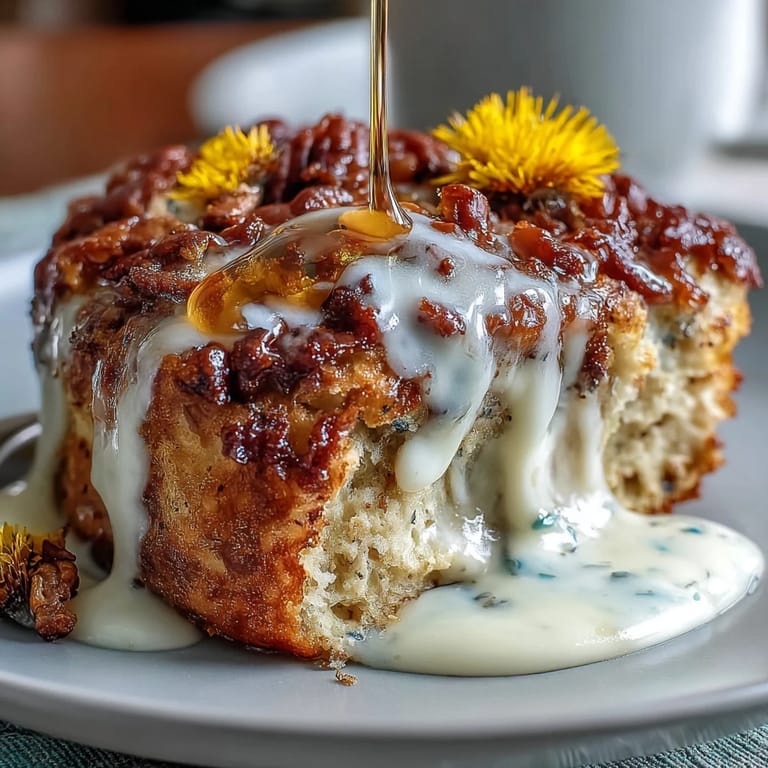
Save There's a specific moment when a scone is pulled from the oven, still steaming, and you see that the golden exterior has split slightly at the top—that crack is where the butter has created lift and promise. Watching friends crack one open and the steam rises with that faint floral scent, then their faces soften as they taste it—that's when you know you've made something that matters beyond just being food.
The Art of Not Overmixing
I used to approach scone dough like bread dough, thinking more mixing meant better texture. That was wrong. These scones depend on restraint—the flour should just barely come together, with visible flecks of butter still visible. If your dough feels shaggy or looks a bit rough around the edges, you're actually doing it right. The instant everything looks perfectly smooth and combined, you've already gone too far. Think of it like a secret: some mystery in the texture is what makes it work.
Dandelion Hunting and Preparation
Finding pesticide-free dandelions became a minor adventure I didn't expect. You want fully opened yellow petals only—avoid the white inner petals and definitely skip the green center, which tastes aggressively bitter. Gently separate the petals and rinse them quietly under cool water, then pat them dry on paper towel. I've learned that dandelions from wild edges or established yards beat the grocery ones, and the flavor is noticeably more delicate. It's worth hunting for them or asking a trusted gardener if you can pick from their patch.
Temperature and Timing Matter
Cold ingredients aren't just a preference here; they're essential. I keep my butter in the freezer and milk in the back of the fridge until I'm ready to use them. The oven temperature should be exactly 400°F—too low and your scones spread rather than rise, too high and the outside browns before the inside bakes through. Set a timer for 16 minutes and check at that point; ovens vary, and you want that moment when they're golden but not dark. These scones are best eaten warm the same day they're baked, still holding that tender crumb and gentle heat.
- Make sure your baking powder is less than six months old, or your scones won't puff the way they should.
- If your kitchen is warm, chill your mixing bowl and tools before starting—it genuinely makes a difference in texture.
- Leftover scones can be gently reheated wrapped in foil at 300°F for about ten minutes to restore some of their warmth.
 Save
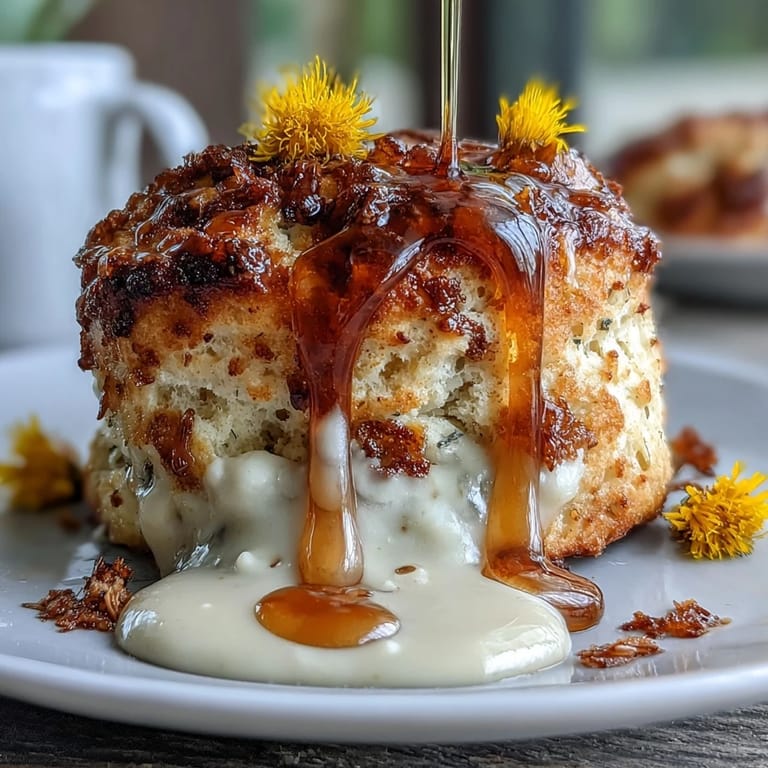
Save These scones are proof that the best recipes often come from listening to a friend's stray comment and trusting your instincts about what belongs together. Make them for people you want to impress, or just for yourself on a morning when you deserve something that tastes like spring.
Recipe FAQs
- → What type of flour is best for these scones?
All-purpose flour works well, providing a tender yet sturdy texture that helps the scones rise and brown evenly.
- → Can I substitute clotted cream?
Yes, whipped cream or mascarpone can be used as creamy alternatives if clotted cream is unavailable.
- → How should I prepare the dandelion petals?
Use fully opened, pesticide-free yellow parts only, avoiding any green bitter sections for the best flavor.
- → What is the best way to mix the dough?
Gently fold the wet ingredients into the dry, avoiding overmixing to keep the scones tender and flaky.
- → How do I know when the scones are done baking?
Bake until the scones are golden brown and puffed, usually around 16 to 18 minutes at 400°F (200°C).
- → What drinks pair well with these scones?
Floral white tea or light sparkling wine complement the floral honey notes beautifully for a festive brunch.