 Save
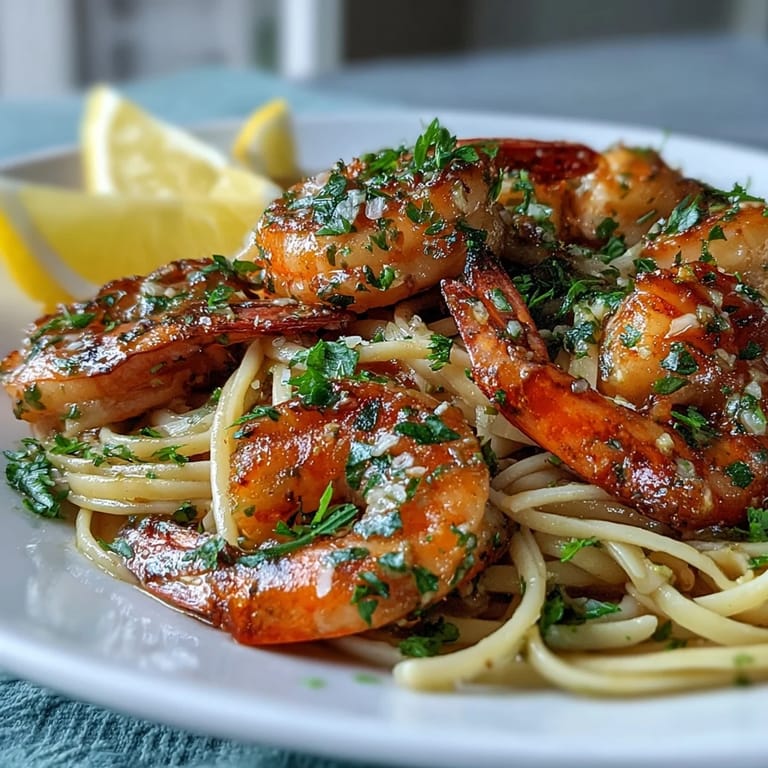
Save The smell of garlic hitting hot butter is what pulled my husband into the kitchen that Tuesday night, and he stood there watching me toss shrimp in the pan like I'd been making scampi my whole life. Truth is, I'd only made it once before and nearly scorched the garlic. This time I kept the heat gentle, let the wine do its work, and when I twirled that first forkful of linguine coated in lemony sauce, I knew we'd be eating this every other week. It's become our go-to when we want something that tastes like a special occasion but doesn't ask for much time.
I made this for my sister the night before her wedding, when she was too nervous to eat anything heavy but needed comfort. We sat at my kitchen counter with glasses of the same white wine I used in the sauce, and she twirled her fork slowly, savoring each bite. She told me later it was the only meal that week she actually tasted. Now every time I make it, I think of her in her pajamas, laughing about cake tastings and seating charts.
Ingredients
- 1 pound large shrimp, peeled and deveined: Buy them already prepped if you can, it saves so much time, and make sure they're dry before they hit the pan so they get a nice sear instead of steaming.
- 12 ounces linguine: The flat shape holds onto the buttery sauce better than round pasta, but honestly spaghetti works just fine if that's what you have.
- 4 tablespoons unsalted butter: This is what makes the sauce feel rich and silky, and using unsalted lets you control the seasoning perfectly.
- 3 tablespoons extra-virgin olive oil: It keeps the butter from burning and adds a fruity depth that rounds out the garlic.
- 5 cloves garlic, finely minced: Don't skip mincing it fine, big chunks can burn and turn bitter in seconds.
- 1/4 teaspoon red pepper flakes: Optional, but a tiny pinch adds a warm buzz that makes the whole dish more interesting.
- Zest of 1 lemon: This is where the brightness lives, so zest it right before you use it for the best fragrance.
- 1/4 cup fresh parsley, chopped: Flat-leaf Italian parsley tastes better here than the curly kind, and it makes the whole plate look alive.
- 1/2 cup dry white wine: I use whatever I'd actually drink, usually a Pinot Grigio, because cooking wine tastes like cooking wine.
- 2 tablespoons freshly squeezed lemon juice: Fresh is essential, bottled lemon juice has a weird metallic edge that ruins the sauce.
- Salt and freshly ground black pepper: Season as you go, tasting the sauce before you toss in the pasta.
- Lemon wedges for serving: A squeeze at the table lets everyone adjust the brightness to their liking.
Tired of Takeout? 🥡
Get 10 meals you can make faster than delivery arrives. Seriously.
One email. No spam. Unsubscribe anytime.
Instructions
- Boil the Pasta:
- Bring a large pot of salted water to a rolling boil and cook the linguine until it still has a little bite, usually a minute less than the package says. Reserve half a cup of that starchy pasta water before draining, it's your secret weapon for a silky sauce.
- Prep the Shrimp:
- Pat the shrimp completely dry with paper towels and season them lightly with salt and pepper. Wet shrimp won't sear, they'll just steam and turn rubbery.
- Toast the Garlic:
- Melt 2 tablespoons butter with 2 tablespoons olive oil in a large skillet over medium heat, then add the garlic and red pepper flakes. Stir constantly for about a minute until the garlic smells nutty and sweet but hasn't turned golden.
- Sear the Shrimp:
- Lay the shrimp in a single layer in the skillet and let them cook undisturbed for 1 to 2 minutes per side until they're pink and just opaque. Pull them out onto a plate as soon as they're done, they'll keep cooking from residual heat.
- Deglaze with Wine:
- Pour the white wine and lemon juice into the hot skillet, scraping up all those tasty browned bits stuck to the bottom. Let it simmer for 2 to 3 minutes until it reduces slightly and smells bright and winey.
- Finish the Sauce:
- Stir in the remaining 2 tablespoons butter and 1 tablespoon olive oil, swirling the pan until everything melts together into a glossy, emulsified sauce.
- Toss the Shrimp:
- Return the shrimp and any juices from the plate back into the skillet, along with the lemon zest and half the parsley. Toss everything gently to coat the shrimp in that lemony, garlicky goodness.
- Combine with Pasta:
- Add the drained linguine to the skillet and toss well, adding reserved pasta water a splash at a time until the sauce clings to every strand. Taste and adjust the salt and pepper now, while you can still fix it.
- Serve Immediately:
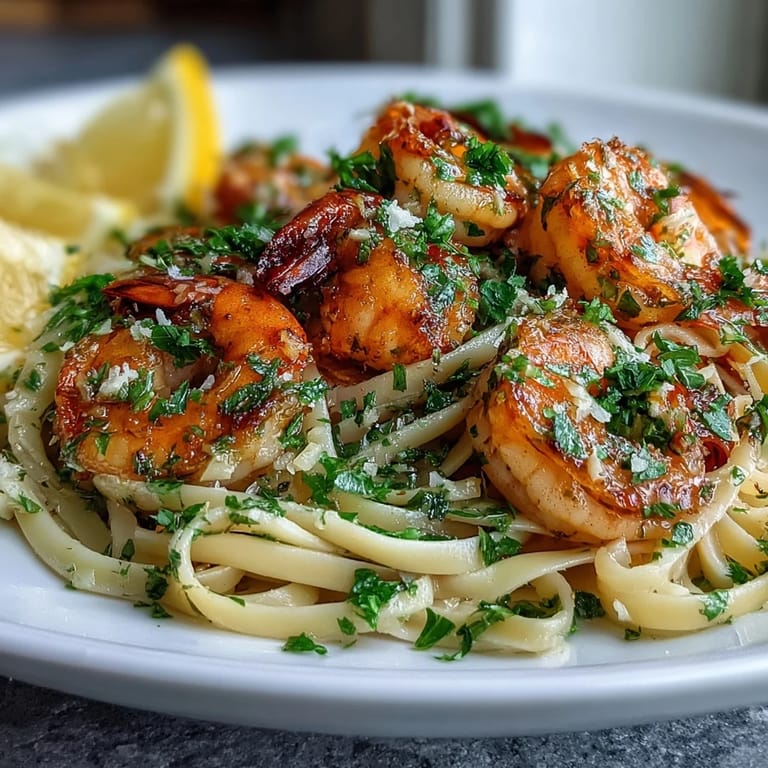
- Plate the pasta, scatter the remaining parsley on top, and tuck lemon wedges on the side. This dish is best eaten right away while the shrimp are tender and the sauce is hot.
 Save
Save One night I forgot to buy linguine and used spaghetti instead, and honestly no one noticed. My friend brought over cherry tomatoes from her garden and I halved them and tossed them in with the garlic, and they burst into sweet little pockets that made the dish even better. That's the thing about this recipe, it's forgiving enough to handle your mistakes and generous enough to welcome your ideas.
Wine Pairing
I always pour the same wine I'm cooking with, usually a crisp Pinot Grigio or Sauvignon Blanc that has enough acidity to cut through the butter. The citrus notes in the wine echo the lemon in the dish, and sipping it between bites makes the whole meal feel more cohesive. If you're not a white wine person, a light sparkling water with lemon does the job just as well.
Storing Leftovers
Scampi is really best eaten fresh, but if you have leftovers, store them in an airtight container in the fridge for up to a day. Reheat gently in a skillet with a splash of water or broth, because the microwave will turn the shrimp rubbery. The pasta might soak up some of the sauce overnight, so don't expect it to look as glossy as it did the first time.
Make It Your Own
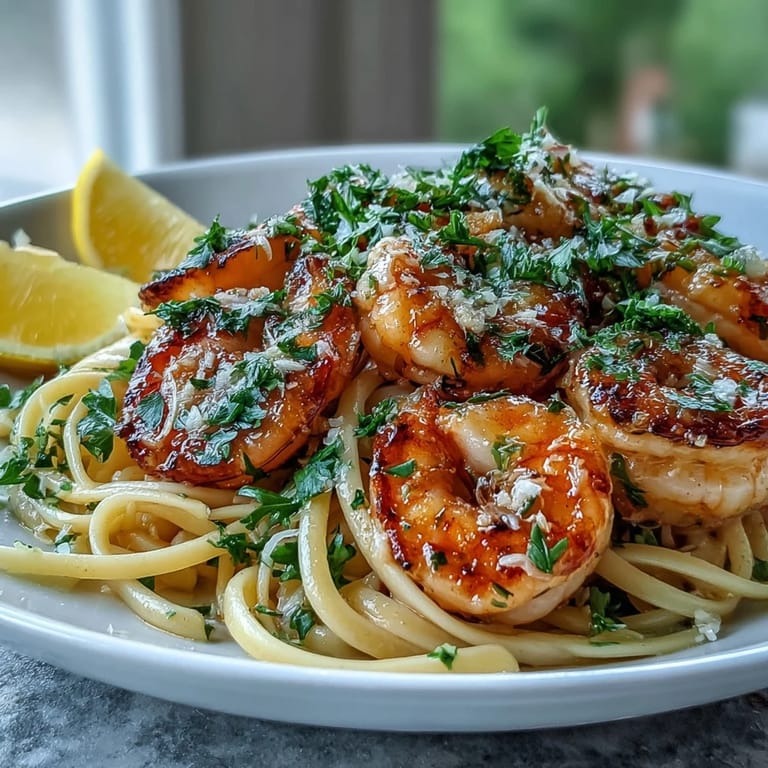
If you want to stretch this for more people, add another handful of shrimp and a few extra ounces of pasta. I've stirred in baby spinach at the end and let it wilt into the sauce, which adds color and makes me feel better about skipping a side salad. Sometimes I grate a little Parmesan over the top even though it's not traditional, because rules are just suggestions when you're cooking at home.
- Swap the linguine for gluten-free pasta if needed, it holds the sauce just as well.
- Use all olive oil instead of butter for a dairy-free version that's still incredibly satisfying.
- Toss in a handful of halved cherry tomatoes with the garlic for bursts of sweetness.
 Save
Save This is the dish I make when I want to feel like I'm treating myself without spending all evening in the kitchen. It's quick, it's bright, and it always tastes like I tried harder than I did.
Recipe FAQs
- → Can I use frozen shrimp for this dish?
Yes, frozen shrimp work perfectly. Thaw them completely in the refrigerator overnight or under cold running water, then pat them thoroughly dry with paper towels before cooking to ensure proper browning.
- → What type of white wine should I use?
Use a dry white wine you'd enjoy drinking, such as Pinot Grigio, Sauvignon Blanc, or dry Vermouth. Avoid sweet wines as they'll alter the flavor balance of the sauce.
- → How do I prevent the garlic from burning?
Cook the garlic over medium heat for just about 1 minute until fragrant. Add the shrimp promptly after the garlic becomes aromatic but before it browns, as burnt garlic tastes bitter.
- → Can I make this dish ahead of time?
This dish is best served immediately for optimal texture and flavor. However, you can prep ingredients in advance by peeling shrimp, mincing garlic, and chopping parsley earlier in the day.
- → What pasta alternatives work well?
Spaghetti, fettuccine, or angel hair pasta make excellent substitutes for linguine. For a gluten-free version, use your favorite gluten-free pasta and cook according to package directions.
- → Why should I reserve pasta water?
The starchy pasta water helps create a silky, cohesive sauce that clings beautifully to the noodles. Add it gradually if your sauce seems too thick or needs more body.