 Save
Save There's something about lavender that stops me mid-breath, especially when it's steaming up from a pot of cream. I discovered panna cotta by accident, really—my neighbor mentioned hers had turned out grainy, and I became obsessed with getting it silky. This honey lavender version came together on a spring afternoon when I found a tin of dried culinary lavender tucked in the back of my spice cabinet and thought, why not? It felt like the dessert equivalent of putting your feet up.
I made this for my sister's birthday dinner last May, and watching people's faces when they took that first spoonful was the whole reason I bother cooking at all. One guest actually closed her eyes and said nothing for a solid ten seconds, which felt like the highest compliment a home cook could receive. The lavender wasn't aggressive or perfume-y—it was just a whisper, a memory of summer gardens that made the honey taste deeper and more real.
Ingredients
- Heavy cream: This is where silkiness comes from, so don't skimp on quality—it makes the difference between cloud-like and waxy.
- Whole milk: Balances the richness and keeps the texture from being too heavy, almost like the milk is there to let the lavender breathe.
- Honey: I use raw honey when I can because it feels less processed, though any good honey will work—avoid the cheap stuff that tastes like corn syrup.
- Dried culinary lavender: This is crucial—make sure it's actually meant for cooking, not the kind meant for sachets or potpourri, or you'll taste soapy notes instead of floral ones.
- Pure vanilla extract: Just a teaspoon rounds out the flavors and keeps everything from tasting one-dimensional.
- Unflavored powdered gelatin: The unsung hero that turns liquid into silk, blooming it first prevents lumps and ensures smooth setting.
Tired of Takeout? 🥡
Get 10 meals you can make faster than delivery arrives. Seriously.
One email. No spam. Unsubscribe anytime.
Instructions
- Bloom the gelatin:
- Sprinkle the gelatin over cold water and let it sit quietly for five minutes—this process softens it and prevents clumping when it hits the warm cream. Think of it as waking up your gelatin gently.
- Steep the cream:
- Combine cream, milk, honey, and lavender in a medium saucepan and heat gently until it's steaming but not boiling—you want wisps of steam, not aggressive bubbles. Cover it and let it sit for ten minutes so the lavender can really give itself over to the cream.
- Strain out the lavender:
- Pour everything through a fine-mesh sieve to catch those delicate dried flowers, pressing gently to extract every drop of flavor. Return the strained mixture to the saucepan while it's still warm.
- Dissolve the gelatin:
- Stir the bloomed gelatin into the warm cream until it disappears completely, then add the vanilla extract. Stir gently but thoroughly so everything is evenly mixed.
- Pour and cool:
- Divide the mixture evenly among four ramekins or dessert glasses, letting them cool to room temperature first so you don't shock the gelatin. Cover and refrigerate for at least four hours—overnight is even better, giving the flavors time to settle into something almost mysterious.
- Serve with intention:
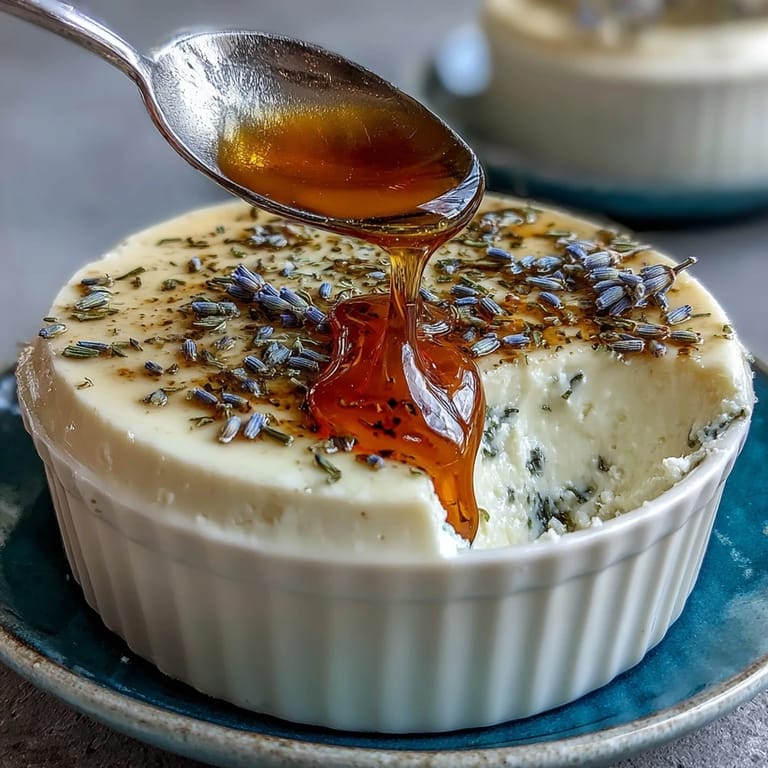
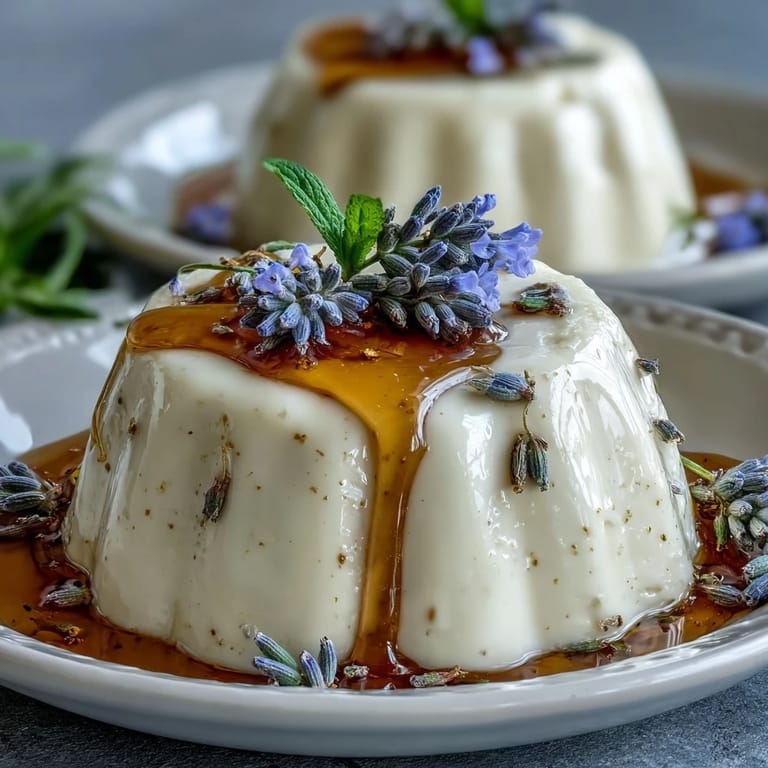
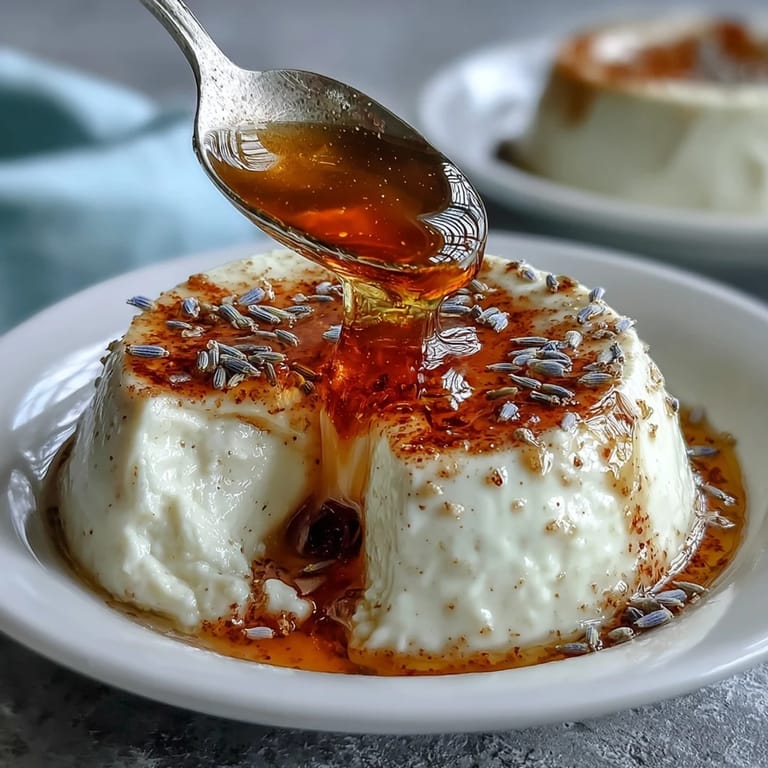
- You can unmold these onto plates by running a knife around the edge and inverting, or serve them right in the glasses where they're less likely to break. Either way, top with a drizzle of honey, edible flowers, or fresh berries to bring color and a little brightness.
 Save
Save There was a moment last summer when my daughter tasted this for the first time and said it tasted like the way her grandmother's perfume smelled—but softer, something you could actually eat. That's when I understood panna cotta isn't just about texture or technique, it's about creating a feeling on your tongue, something fleeting and a little bit magical.
The Lavender Question
Choosing the right lavender matters more than you might think. Culinary lavender is milder and sweeter than ornamental varieties, which can taste like you're eating soap if you're not careful. I buy mine from specialty spice shops or online sources where I can see what I'm getting, and I've learned that freshness counts—old lavender tastes musty and disappointing. If you're nervous about the floral flavor, start with a teaspoon and taste the cooled mixture before you commit to the full two teaspoons.
Honey Varieties and Sweetness
Raw honey brings an almost woody depth to this dessert, while processed honey keeps things cleaner and more straightforward. I've played with orange blossom honey, which adds another layer of floral complexity without fighting the lavender. The sweetness level in panna cotta is delicate—it should never overpower, just support the other flavors like a good friend who knows when to listen. Taste your mixture after it's cooled slightly and before you pour it into ramekins, because it's much easier to add another drizzle of honey then than to rescue it afterward.
Making It Your Own
This recipe feels rigid but it's actually quite forgiving once you understand the basic mechanics. I've stretched the lavender flavor with a tiny pinch of lavender-infused honey, muted it with an extra splash of milk, even played with different garnishes depending on the season. The truth is that panna cotta is more about understanding texture and temperature than following exact measurements, which is why it's worth making more than once.
- For a vegan version, swap the dairy for full-fat coconut milk and use agar agar instead of gelatin, adjusting quantities based on the brand you choose.
- Serve alongside shortbread cookies or delicate almond thins to add a contrast of texture that makes every spoonful feel complete.
- Make these a day ahead so you can stress less and enjoy your guests instead of worrying about whether they've set.
 Save
Save This dessert taught me that the simplest things often taste the most complete, and that taking time with a recipe sometimes means doing less rather than more. Serve it cold, watch someone's face light up, and know you've made something that matters.
Recipe FAQs
- → What is the best way to infuse lavender flavor?
Gently warming dried culinary lavender with cream and milk allows the floral notes to fully infuse without bitterness.
- → Can I substitute gelatin for a vegan option?
Yes, agar agar can be used as a plant-based alternative to gelatin, though the setting time and texture may vary slightly.
- → How can I adjust sweetness in this dessert?
Modify the amount of honey to taste or try different varieties like orange blossom honey for unique floral nuances.
- → What are suitable garnishes for this dessert?
Fresh edible flowers, a drizzle of honey, and fresh berries complement the flavors and add visual appeal.
- → How long should the dessert chill before serving?
Chilling for at least 4 hours ensures the mixture sets properly and achieves a smooth, creamy texture.