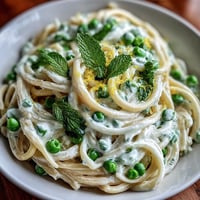
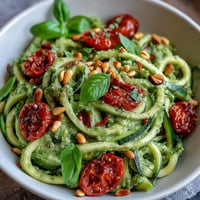
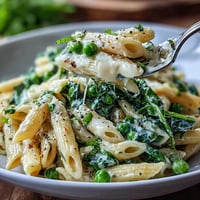
 Save
Save There's a moment in late spring when my farmers market haul suddenly overflows with basil, and I panic about what to do with it all before it wilts. One afternoon, I had a ripe avocado sitting on the counter and decided to blur the lines between two sauces I loved, throwing them into a blender without much of a plan. The result was so bright and creamy that I immediately tossed it with whatever pasta I had on hand, and honestly, I've been making it that way ever since.
I made this for a friend who was skeptical about green pasta, and watching her take that first bite—the way her eyes widened slightly—reminded me that sometimes the best meals are the ones that surprise people. She asked for the recipe before she'd even finished her plate, which is always the highest compliment in my kitchen.
Ingredients
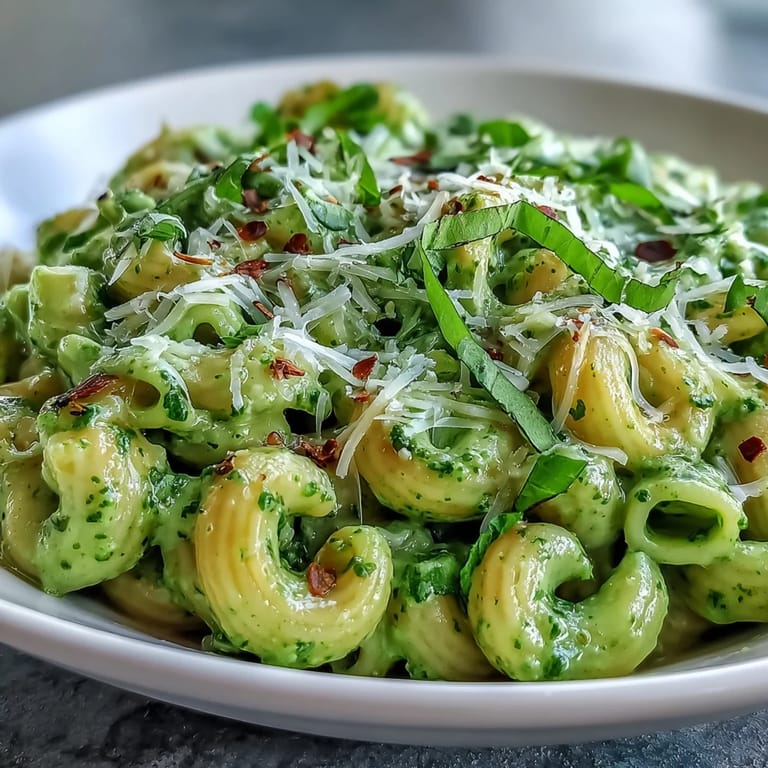
- Macaroni or short pasta: Use whatever small pasta shape you have because the ridges and curves trap the silky sauce perfectly, and it cooks faster than long noodles.
- Ripe avocados: This is non-negotiable—they should yield to gentle pressure, not be hard or mushy, because you need them to blend into something velvety without adding excess liquid.
- Fresh basil leaves: Pick them off the stem right before blending to keep them bright; pre-cut basil darkens quickly and tastes slightly metallic.
- Garlic: Two cloves is the right amount for balance, but if you're a garlic lover, add a third—just taste as you go.
- Extra virgin olive oil: Don't skip the quality here because it's one of only a few fats in the sauce, and it directly affects the flavor.
- Parmesan cheese: Freshly grated makes a real difference in how it melts into the sauce compared to the pre-shredded version.
- Lemon juice: It keeps the avocado from browning and adds brightness that keeps everything from feeling too heavy.
- Milk: This thins the sauce to the right consistency without diluting the flavor the way water would.
Tired of Takeout? 🥡
Get 10 meals you can make faster than delivery arrives. Seriously.
One email. No spam. Unsubscribe anytime.
Instructions
- Get your water ready:
- Fill a large pot generously with water and add salt until it tastes like the sea—this is your only chance to season the pasta itself. Bring it to a rolling boil before adding your pasta; you'll hear the vigorous bubbling that tells you the water is hot enough.
- Cook the pasta:
- Stir it once or twice in the first minute to prevent sticking, then let it cook according to the package directions until it's tender but still has a slight bite. Before draining, grab a mug and scoop out about half a cup of that starchy pasta water—this liquid gold is what will help your sauce cling to every piece.
- Blend while the pasta finishes:
- While the pasta is still going, add your avocados, basil, garlic, olive oil, Parmesan, lemon juice, milk, salt, and pepper to your food processor. Pulse a few times first, then let it run until everything is completely smooth and pale green; if it's looking thick and dull, add a splash more milk to get it glossy.
- Bring it together:
- Return the drained pasta to the warm pot, pour in your avocado pesto, and toss gently but thoroughly so every piece gets coated. Add your reserved pasta water a little at a time, tossing between additions, until the sauce feels silky and light rather than clumpy.
- Taste and serve immediately:
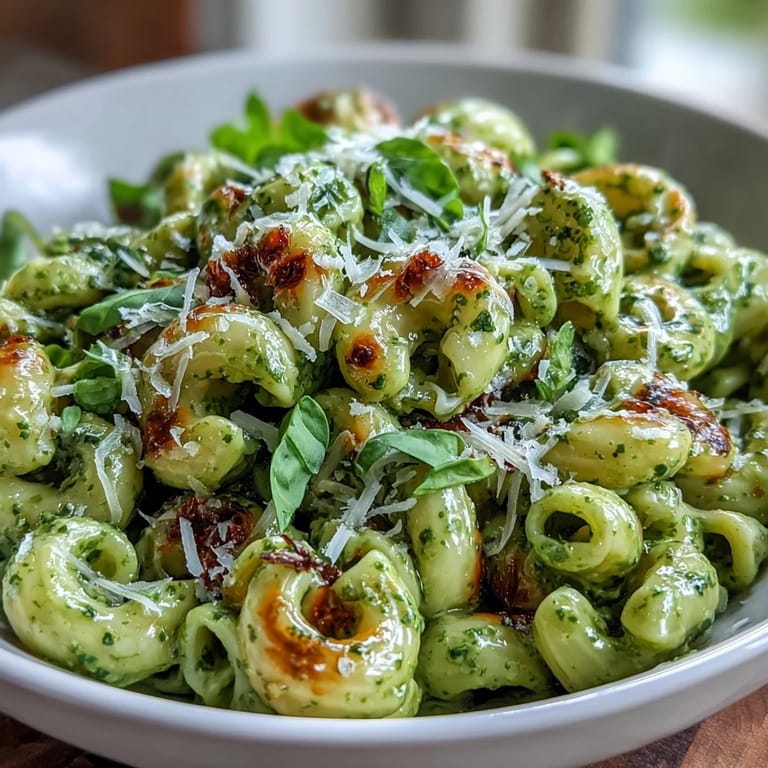
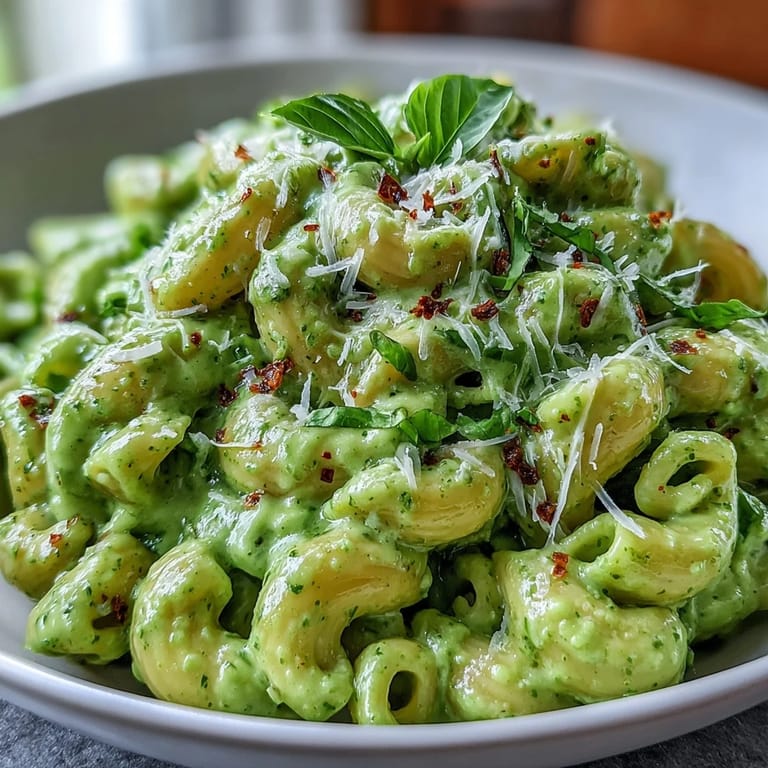
- Pinch a piece and taste it—you might want more lemon, salt, or pepper, and now is the time to adjust. Divide into bowls and top with Parmesan shards, a fresh basil leaf, and a crack of black pepper while everything is still warm.
 Save
Save There was an evening when I made this for my partner after a long day, and neither of us spoke much while eating—we were too busy twirling pasta and savoring each bite. Those quiet moments reminded me that sometimes a meal doesn't need to be complicated to feel like a small act of care.
The Avocado Factor
Avocados are temperamental, I've learned through trial and error. If yours are slightly underripe, they'll be harder to blend and you might end up with a grainy texture; if they're overripe, they add too much moisture and the sauce gets soupy. The sweet spot is when they're soft enough to cut with a spoon but still firm enough to hold their shape slightly. I often buy them a day or two before I plan to make this, keeping them on the counter to ripen naturally rather than rushing them in a paper bag.
Why Lemon is Your Secret Weapon
Lemon juice does three things here that people often overlook. It prevents the avocado from browning by creating an acidic barrier, it brightens the whole dish so the basil doesn't taste flat, and it adds a subtle tang that makes your brain register the flavors as more complex than they actually are. I learned this the hard way by once skipping the lemon to save time and ending up with a dull, one-note sauce that tasted like it was missing something I couldn't put my finger on.
Making It Your Own
This recipe is flexible enough to bend to what you have on hand or what you're craving. I've added toasted pine nuts for crunch, tossed in halved cherry tomatoes for brightness, and stirred through wilted spinach when I wanted something more substantial. Each addition changes the dish in small but noticeable ways, and that's part of the joy—it never feels like you're making the exact same thing twice.
- Roasted walnuts add an earthiness that makes the dish feel more autumnal.
- A handful of spinach or arugula wilts into the warm pasta and adds nutrients without overpowering the sauce.
- Sun-dried tomatoes bring a concentrated sweetness that plays beautifully against the basil.
 Save
Save This dish somehow manages to feel both simple and special, the kind of meal that reminds you why you love cooking in the first place. Make it when you want something that tastes like care but doesn't demand hours of your day.
Recipe FAQs
- → Can I make this ahead of time?
While best enjoyed fresh, you can prepare the sauce up to 24 hours in advance. Store it in an airtight container with plastic wrap pressed directly onto the surface to prevent oxidation. The sauce may darken slightly but will remain delicious.
- → What pasta shapes work best?
Macaroni, penne, fusilli, or rotini capture the creamy sauce beautifully due to their nooks and crannies. Short pasta shapes tend to hold the thick avocado pesto better than long strands like spaghetti.
- → How do I prevent the sauce from turning brown?
The lemon juice in this recipe helps slow oxidation. Toss the sauce immediately with hot pasta and serve right away. If storing, keep avocado pits in the sauce container and press plastic wrap directly on the surface.
- → Can I freeze this dish?
Freezing isn't recommended as the avocado sauce can become grainy and separate upon thawing. However, you can freeze the sauce base without dairy for up to 3 months. Thaw overnight in the refrigerator before adding fresh milk and cheese.
- → What protein additions work well?
Grilled chicken, sautéed shrimp, or white beans make excellent protein additions. Crispy pancetta or bacon also pairs beautifully with the creamy avocado-basil flavors, adding a savory contrast to the rich sauce.