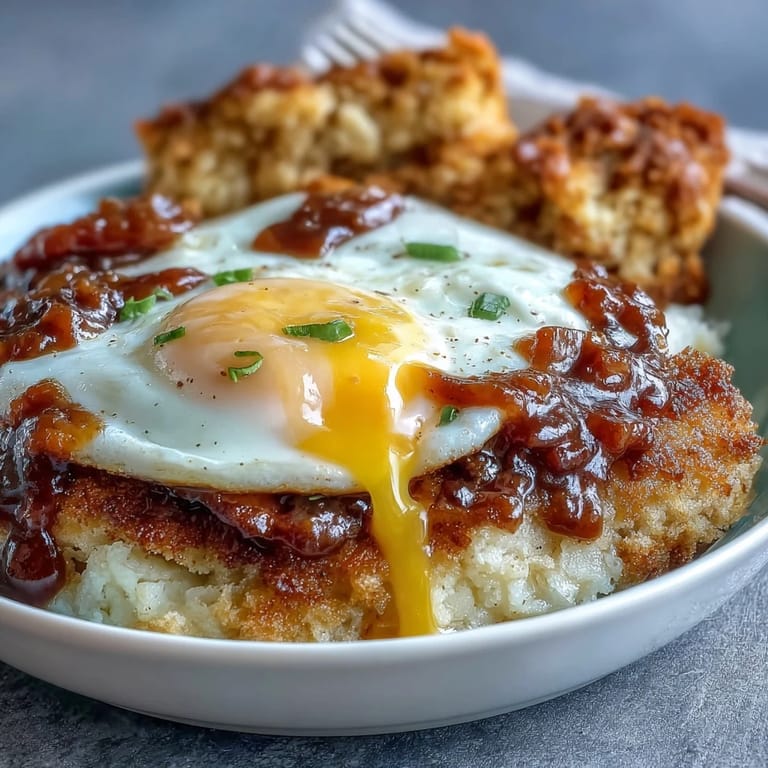
 Save
Save There's something about watching my mother's face light up when I set down a plate of Eggs Benedict on Mother's Day that made me finally master this dish. Years of rubbery eggs and broken hollandaise taught me patience, and one quiet Sunday morning, everything clicked—the butter swirled in like silk, the eggs poached into perfect clouds, and suddenly I understood why this meal feels like celebration on a plate. It's not fancy because it's difficult; it's fancy because when done right, it tastes like someone spent their morning thinking only of you.
I made this for my best friend's birthday brunch last spring, and what I remember most isn't the compliments but her asking if she could watch me poach the eggs, standing right beside me in my tiny kitchen. Seeing her lean in closer when the white started to set, asking quiet questions about technique—that's when cooking stopped feeling like following instructions and started feeling like sharing something. She's made it twice since then, and I love that we have this thing now.
Ingredients
- English muffins (4, split and toasted): The foundation deserves real attention—split them yourself rather than buying pre-split because you'll get better texture when toasting, and that crispy exterior holds the toppings without falling apart.
- Canadian bacon (8 slices): Look for the thicker-cut version; thin bacon disappears, but the right thickness adds substance and gentle saltiness that balances the richness of everything else.
- Large eggs (8): Use the freshest eggs you can find because older eggs spread too much when poaching, and you want those defined, compact shapes—farmers market eggs make a real difference.
- White vinegar (1 tablespoon for poaching): This helps the egg white set faster without affecting taste, so don't skip it even if your water is fresh from the source.
- Egg yolks (3 large for hollandaise): Room temperature yolks emulsify more smoothly, so take them out of the fridge while you're working on other components.
- Lemon juice (1 tablespoon, freshly squeezed): Bottled lemon juice will work in a pinch, but fresh juice changes the flavor profile entirely—it's brighter and the sauce tastes more alive.
- Unsalted butter (1/2 cup, melted and warm): The temperature matters more than people realize; cold butter won't incorporate smoothly, and butter that's too hot will scramble your yolks instantly.
- Cayenne pepper (a pinch): Just enough to whisper spice underneath everything, adding complexity without heat.
- Fresh chives or parsley (optional garnish): The brightness cuts through richness and makes each bite feel intentional rather than heavy.
Tired of Takeout? 🥡
Get 10 meals you can make faster than delivery arrives. Seriously.
One email. No spam. Unsubscribe anytime.
Instructions
- Build your hollandaise first:
- Fill a saucepan with an inch of water and bring it to that gentle simmer where you see occasional bubbles rising, not a rolling boil. Set your heatproof bowl on top, making sure the bottom doesn't touch the water—this is your double boiler, and the indirect heat is what keeps eggs from scrambling into grainy disappointment.
- Whisk yolks and lemon together:
- In the bowl above the steam, whisk your room-temperature egg yolks with fresh lemon juice until they pale slightly and thicken—this takes about two minutes of steady whisking. You'll feel the texture change under your whisk, becoming almost mousse-like, and that's when you know you're ready for the butter.
- Add butter like you're coaxing a shy cat:
- Here's where impatience ruins everything: drizzle melted butter in slowly while whisking constantly, as if you're pouring one thin stream into a moving whisk. If you dump butter in all at once, the emulsion breaks and you'll have separated, greasy sauce instead of silk.
- Season with restraint:
- Once the sauce thickens and glosses, remove it from heat, taste it, and add salt and cayenne—a pinch means just what it says, like you're barely touching the spice jar. Set it aside covered and keep it somewhere warm but not hot; a windowsill on a cool day, or the back of your stovetop away from direct heat.
- Warm the Canadian bacon gently:
- In a skillet over medium heat, lay out your bacon slices and let them warm through until the edges brown slightly—one to two minutes per side is enough. If you cook it too aggressively, it becomes tough and bitter, so lower heat than you think you need is your friend here.
- Poach eggs like you're creating something delicate:
- Fill a large saucepan with water, add vinegar, and bring to a simmer that's barely there—you want tiny bubbles from the bottom, not rolling motion that will batter your eggs. Crack one egg into a small bowl first (this prevents shells and gives you control), swirl the hot water gently with the back of a spoon to create a whirlpool, and slide the egg into the center where the current will shape the whites around the yolk.
- Watch the transformation happen:
- After about three to four minutes, the whites will turn opaque and firm while the yolk stays liquid if you've timed it right. Lift the poached egg out with a slotted spoon, letting water drain through, and rest it on paper towels for just a moment.
- Assemble with intention:
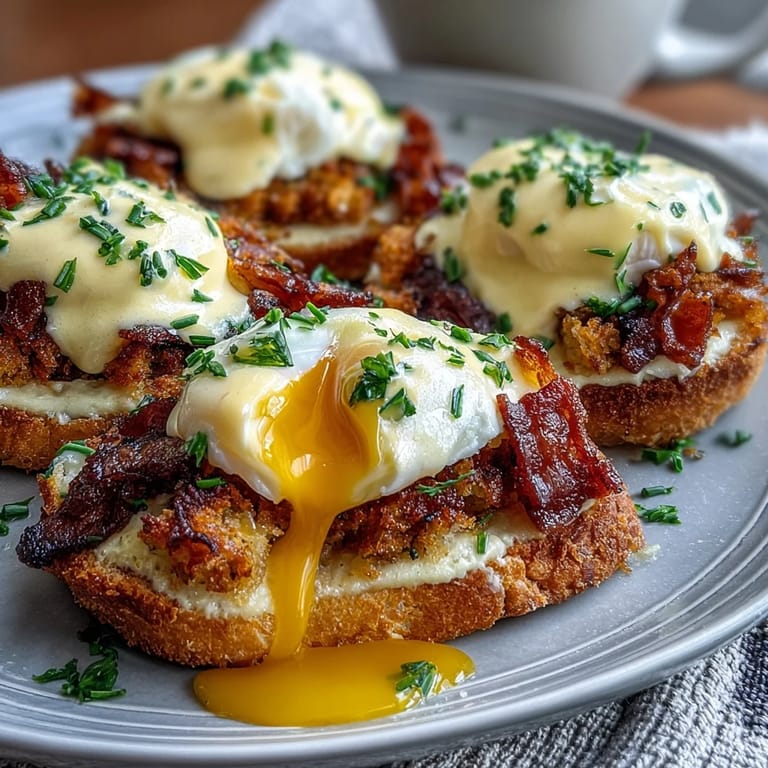
- Place two warm toasted muffin halves on each plate, top each with one slice of warmed Canadian bacon, then crown it with one poached egg. Spoon hollandaise generously over the eggs—this is not the time to be shy with the sauce—and scatter chives across the top if you have them.
- Serve immediately and don't apologize:
- Eggs Benedict waits for no one; the moment you plate it, everything needs to go to the table while the muffin is still crispy and the egg yolk is still warm and soft. Season with salt and pepper to taste right before eating.
 Save
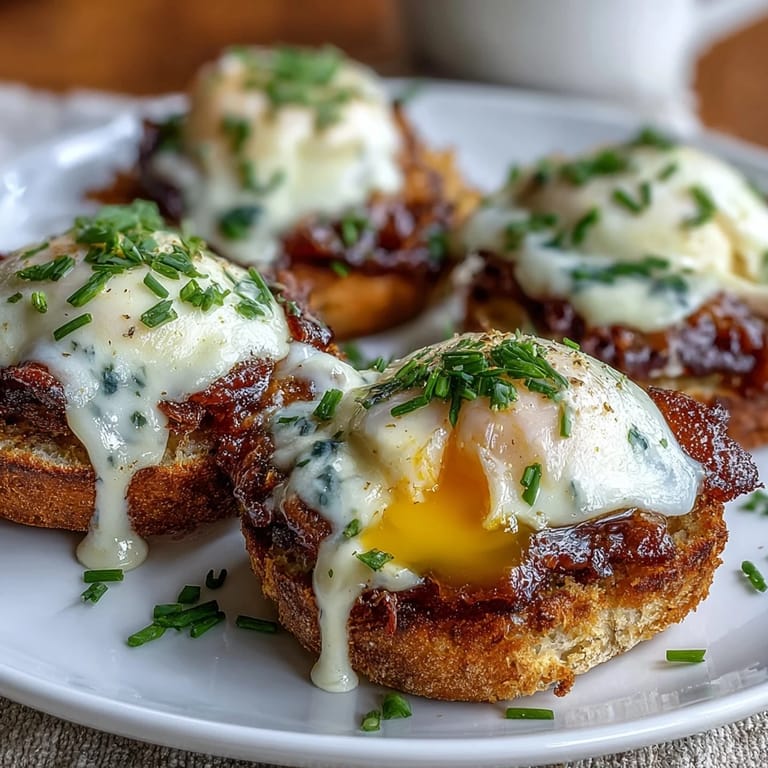
Save My partner made this for me the morning after a terrible week, without being asked, because they'd watched me make it enough times to remember the process. We sat at our small kitchen table in the sunlight, and I cried a little into my eggs—not because they were sad, but because sometimes the smallest acts of care taste like relief. That plate made me understand that breakfast can be therapy if someone's paying that much attention.
Timing Is Everything
The magic of Eggs Benedict lives in the choreography: everything must finish within seconds of each other or the whole dish loses its magic. I've learned to lay out everything I need before I start cooking—plated muffins ready, bacon warming, water simmering, hollandaise covered and sitting in a warm spot. The first time I made this for four people, I poached eggs while the hollandaise was still being made, and by the time I assembled the plates, the eggs had cooled and the muffins were no longer toasty. Now I time it backward: start the hollandaise first, let it rest, cook bacon gently, poach eggs last, and assemble immediately.
The Vegetarian Evolution
After someone on the guest list mentioned they were vegetarian, I started experimenting with substitutions, and honestly, some versions taste even better than the original. Sautéed fresh spinach with garlic (Eggs Florentine) adds earthiness that plays beautifully with the richness of hollandaise, while sliced avocado (Eggs California) brings creaminess and a subtle grassy note that feels luxurious without being heavy. The muffin and hollandaise are still the stars; you're just changing the supporting cast.
Variations Worth Trying
Once you've mastered the basic technique, you realize you can build on this foundation endlessly. I've made versions with smoked salmon instead of bacon, with sautéed mushrooms, with crispy prosciutto, with slow-cooked tomatoes—each one teaches you something new about how flavors layer. The consistency is always the poached egg and hollandaise; the variables are what make it your own recipe instead of mine.
- Try topping with caramelized onions for unexpected sweetness and depth that cuts through the butter.
- A thin slice of heirloom tomato under the egg adds brightness and prevents the dish from tasting too heavy.
- Toast your muffins with a light brush of garlic butter instead of plain, and you'll elevate the whole thing without adding complexity.
 Save
Save Eggs Benedict reminds me that luxury isn't about expense or difficulty—it's about paying attention to details and caring enough about someone to spend your morning making something that tastes like love. Every time I make it, I think of everyone who stood in my kitchen while I whisked, everyone who closed their eyes after the first bite, and I'm grateful this dish exists as a way to say something that's hard to say out loud.
Recipe FAQs
- → How do you poach eggs perfectly?
Use gently simmering water with a splash of vinegar to help the egg whites set quickly. Slide eggs in carefully, poach 3-4 minutes for soft yolks, and remove with a slotted spoon.
- → What is the best way to keep hollandaise sauce smooth?
Keep the sauce warm but not hot to avoid curdling. Whisk gently and serve immediately for the best texture.
- → Can I substitute Canadian bacon for a vegetarian version?
Yes, sautéed spinach or avocado makes a great alternative, providing similar texture and flavor balance without meat.
- → What type of butter is recommended for hollandaise?
Use unsalted butter melted and kept warm to control seasoning and ensure a creamy consistency.
- → How should English muffins be prepared?
Split and toast the English muffins until golden brown to add a crisp base that holds all toppings well.